STOP
You must stop
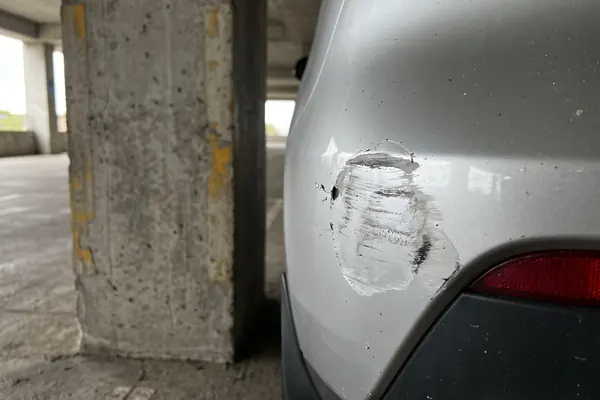
If a collision damages another vehicle, certain animals or property, or injures someone, the driver must stop, in a place of relative safety if possible.
Check your situation mydoodlenote
00WHAT THE HIGHWAY CODE SAYS
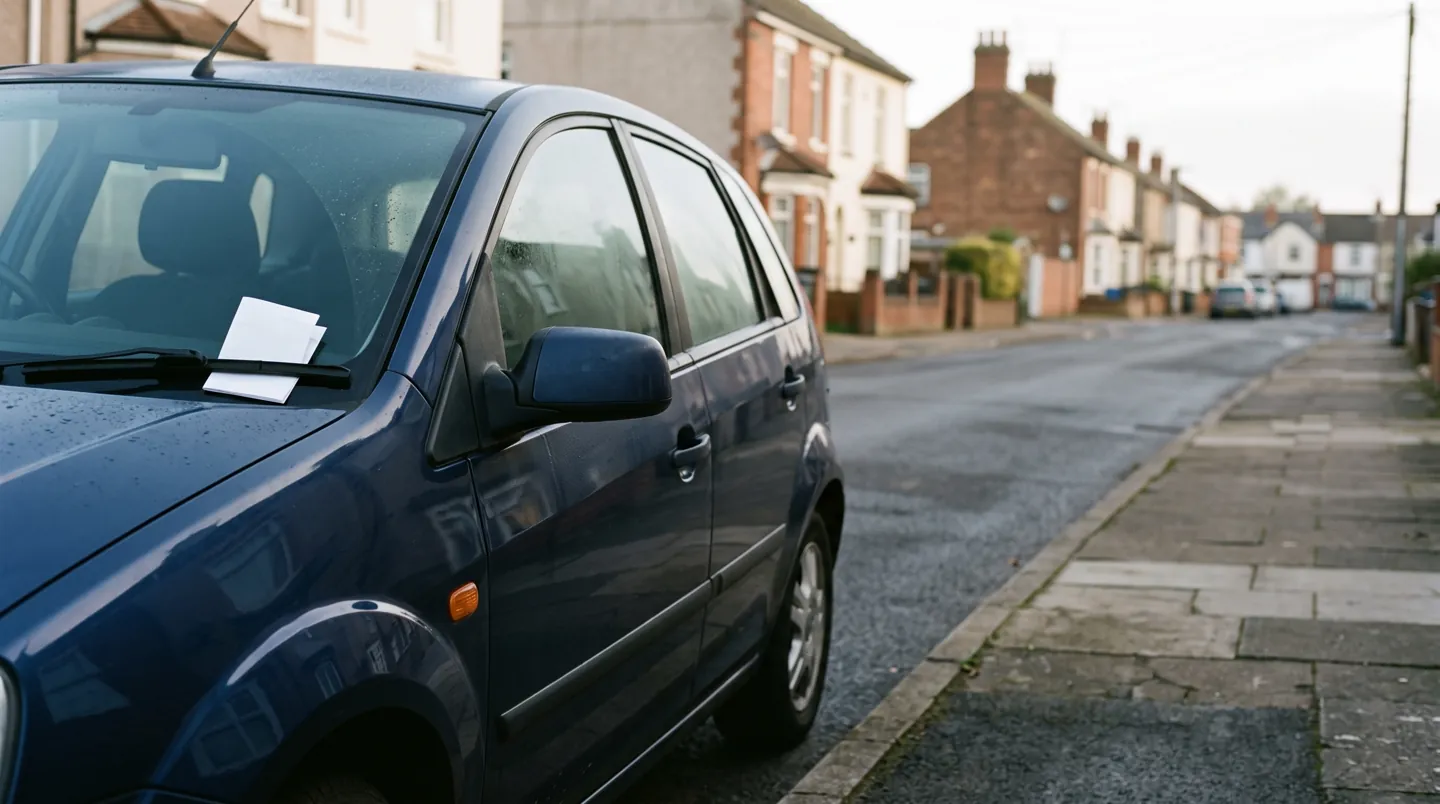
A scrape in a car park happens to careful drivers too.
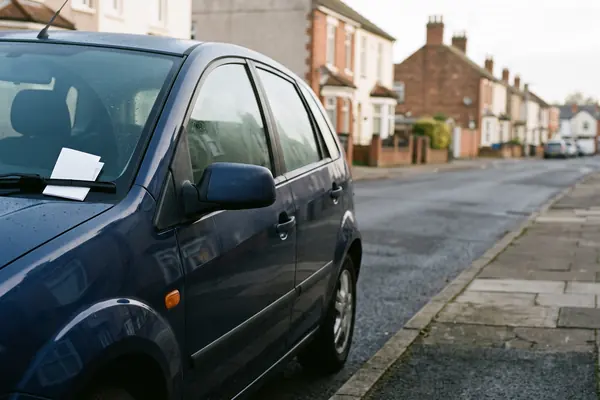
Leaving a note under the wiper feels like the honest thing to do. But the Road Traffic Act sets out what a driver must do after a collision that damages someone else's car or property, and a note is not mentioned in it.
Check your situation01Principles
02THE SHORT ANSWER
The duty comes from section 170 of the Road Traffic Act 1988.
The Highway Code repeats it in Rule 286.
STOP
If a collision damages another vehicle, certain animals or property, or injures someone, the driver must stop, in a place of relative safety if possible.
Check your situationDETAILS
Give your name and address, the vehicle owner's name and address and the registration number to anyone with reasonable grounds for asking.
What to doREPORT
If you do not give your name and address at the time, report it to the police as soon as reasonably practicable and within 24 hours.
See the numbersGeneral information only, not legal advice. For advice on your own situation, speak to a qualified lawyer or a free advice service.
03A QUICK SITUATION CHECK
Pick what happened to see what section 170 of the Road Traffic Act asks of the driver. The bar shows how much the law requires of you, from nothing under this section to reporting and producing insurance.
Based on Highway Code Rules 286 and 287 and Road Traffic Act 1988 section 170 (England, Wales and Scotland). General information, not legal advice.
04TWO NUMBERS WORTH KNOWING
The penalty points the two accident offences carry,
and how long they stay on your driving record.
5–10 points
Points for AC10 or AC20
Failing to stop after an accident (AC10) and failing to give particulars or report an accident within 24 hours (AC20) each carry 5 to 10 penalty points.
PENALTY POINTS · GOV.UK
4 years
How long accident codes stay
GOV.UK says accident offence codes stay on a driving record for 4 years from the date of the offence. Insurers and employers may be able to find out during that time.
DRIVING RECORD · GOV.UK
Some offences may also involve a disqualification, GOV.UK notes. Failing to comply with the duties in section 170 is an offence under the Act.
05FOUR STEPS AFTER A BUMP
These steps follow the duties set out in Rule 286 and section 170. Leaving a note is still a kind thing to do, alongside them.
Stop, in a place of relative safety if you can. Rule 286 says you MUST stop.
If the owner or someone with reasonable grounds asks, give your name and address, the owner's name and address and the registration number.
Report it at a police station or to a constable as soon as reasonably practicable, and in any case within 24 hours.
If someone is injured and you could not show your insurance certificate at the time, produce it for the police within seven days.
06WHY A NOTE IS NOT THE SAME
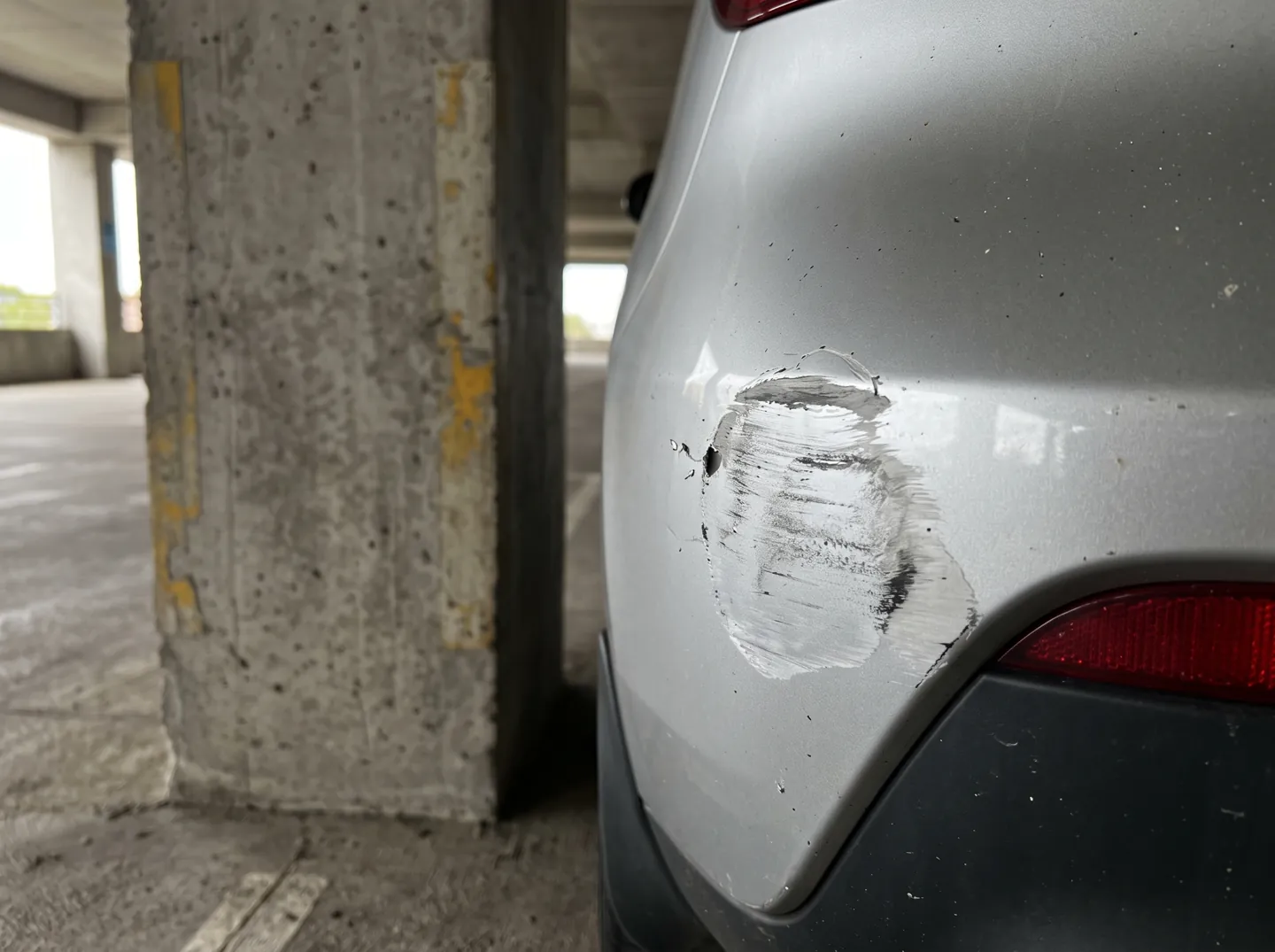
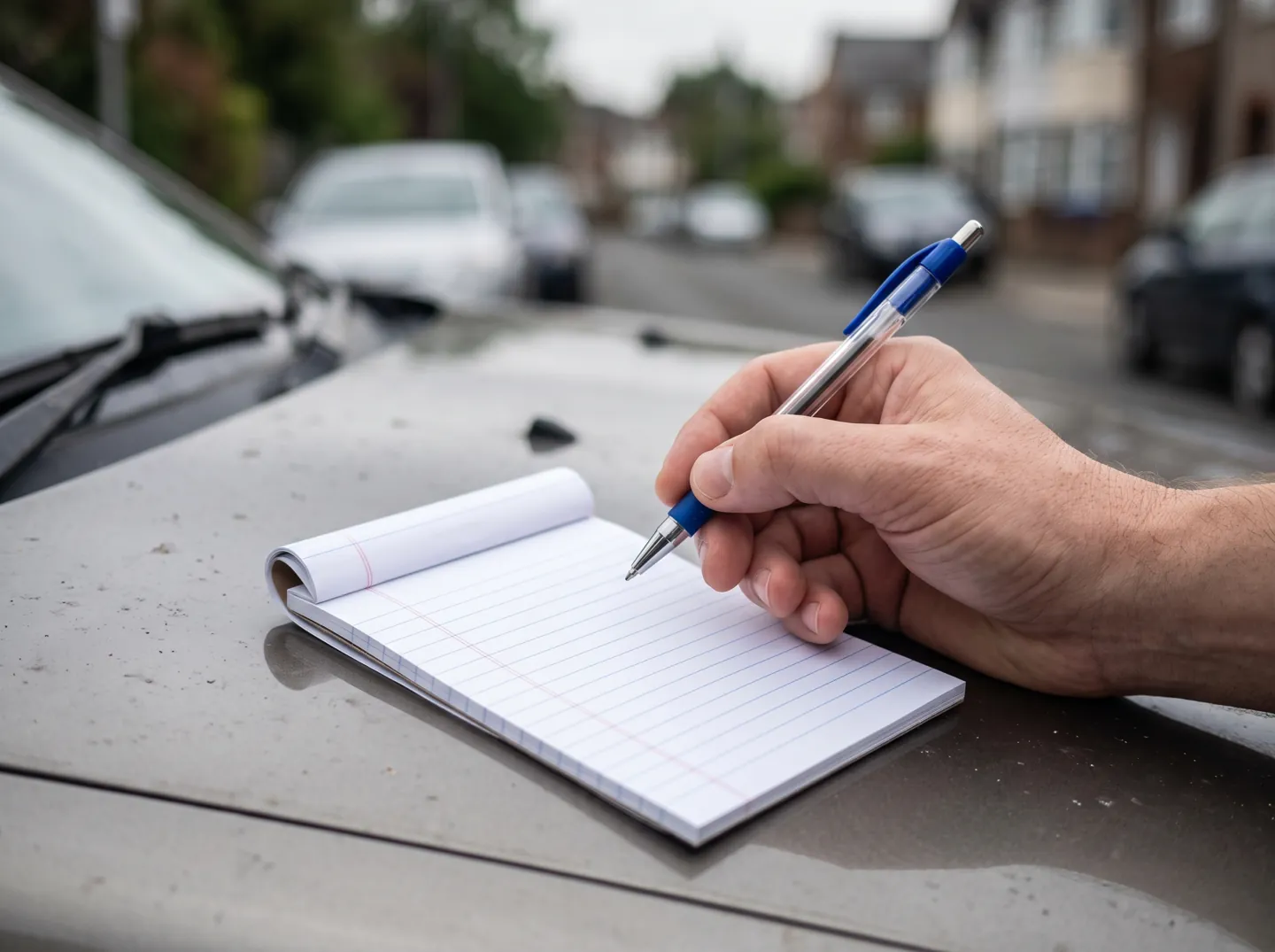
Section 170 asks the driver to give details to a person who has reasonable grounds to ask for them. It says that if for any reason the driver does not give their name and address that way, they must report the accident.
So when nobody is there to take your details, the duty to report to the police remains. A note under the wiper can help the owner, but the Act does not treat it as giving your details.
07Questions
The Act does not mention notes. If you did not give your name and address to someone with reasonable grounds to ask, section 170 says you must report the accident to the police within 24 hours.
Section 170 says a report must be made at a police station or to a constable, as soon as reasonably practicable and in any case within 24 hours.
Yes, if it was property fixed to or forming part of the land the road is on, or next to it. The duties to stop and give details or report apply.
GOV.UK lists failing to stop (AC10) and failing to give particulars or report within 24 hours (AC20) at 5 to 10 penalty points each. Some offences may also involve disqualification.
Section 170 defines animal as horse, cattle, ass, mule, sheep, pig, goat or dog.
08Sources
ABOUT THIS NAME
mydoodlenote.com is part of the DoodleSale portfolio. It isn't in an auction right now, but you can ask about leasing it.